











Introduction
The Pradhan Mantri Skilling and Employability Transformation through Upgraded ITIs (PM-SETU) is a major initiative of the Government of India aimed at strengthening the country’s vocational education and skill development ecosystem. The scheme focuses on modernizing Industrial Training Institutes (ITIs) and aligning them with the evolving needs of industries so that India’s youth gain relevant skills for current and future job markets.
Through this initiative, the Ministry of Skill Development and Entrepreneurship (MSDE) seeks to bridge the gap between industry demand and skilled manpower. By upgrading ITIs into modern, industry-aligned training institutions, PM-SETU promotes innovation, enhances training quality, and improves employment opportunities for students.
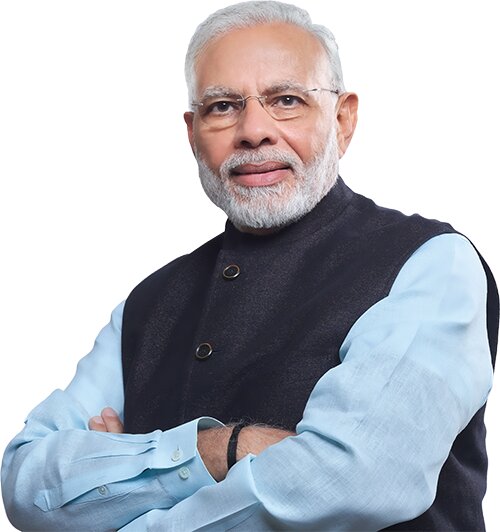
Shri Narendra Modi
Hon'ble Prime Minister
Strategy and Implementation
PM-SETU adopts a forward-looking strategy that combines modern infrastructure, industry participation, and flexible training models to transform vocational education.
The scheme will upgrade 1,000 Government ITIs through a Hub-and-Spoke model, where selected hub institutes support several spoke institutes, creating collaborative clusters that share resources and expertise.
Modern equipment, upgraded workshops, and industry-aligned training programs will ensure students receive hands-on learning that reflects real industry practices. The scheme also encourages introduction of new courses, redesign of existing trades, and integration of digital learning technologies.
Roles and Responsibilities
- Ministry of Skill Development and Entrepreneurship (MSDE): Provides policy direction and oversight.
- Directorate General of Training (DGT): Ensures vocational training programs meet national standards.
- State Governments: Identify ITIs for upgradation and support implementation.
- Industry Partners: Provide expertise in curriculum, technology and placements.
- Special Purpose Vehicles (SPVs): Manage ITI clusters and coordinate resources.
Key Features of PM-SETU
ITI Upgradation
Upgradation of 1,000 Government ITIs across India with modern infrastructure and facilities.
Hub and Spoke Model
Cluster based development enabling resource sharing between institutes.
Industry Collaboration
Strong industry participation in training, governance and job placements.
Modern Infrastructure
Advanced workshops, equipment and technology enabled training facilities.
New Industry Courses
Introduction of emerging industry courses and redesigned trades.
Digital Training
Integration of digital technologies, simulation tools and AI based learning.
Objectives
The primary objective of PM-SETU is to transform ITIs into modern, industry-driven skill development institutions that prepare youth for emerging job opportunities.
The scheme aims to improve training quality, strengthen industry partnerships, introduce new courses in high-demand sectors, and enhance student support systems such as career counselling, placement assistance, and apprenticeships.
Funding and Financial Structure
PM-SETU is supported by a strong financial framework with a total outlay of ₹60,000 crore over five years. Funding is shared between the Central Government, State Governments, and industry partners.
These investments support infrastructure upgrades, modern equipment, faculty development, digital systems, and improved training facilities across ITIs.
Benefits for Students
PM-SETU enhances the learning experience and career opportunities for students through upgraded laboratories, modern workshops, and industry-aligned training programs.
Students also benefit from career guidance, soft skills training, apprenticeships, and improved placement support helping them transition smoothly into the workforce.
Vision for the Future
PM-SETU represents a long-term commitment to strengthening India’s skill development ecosystem. By transforming ITIs into modern centers of excellence and strengthening industry partnerships, the scheme empowers youth with skills that lead to sustainable employment and entrepreneurship.
The initiative supports India’s vision of becoming a developed nation (Viksit Bharat by 2047).